Oct 6, 2026Blog
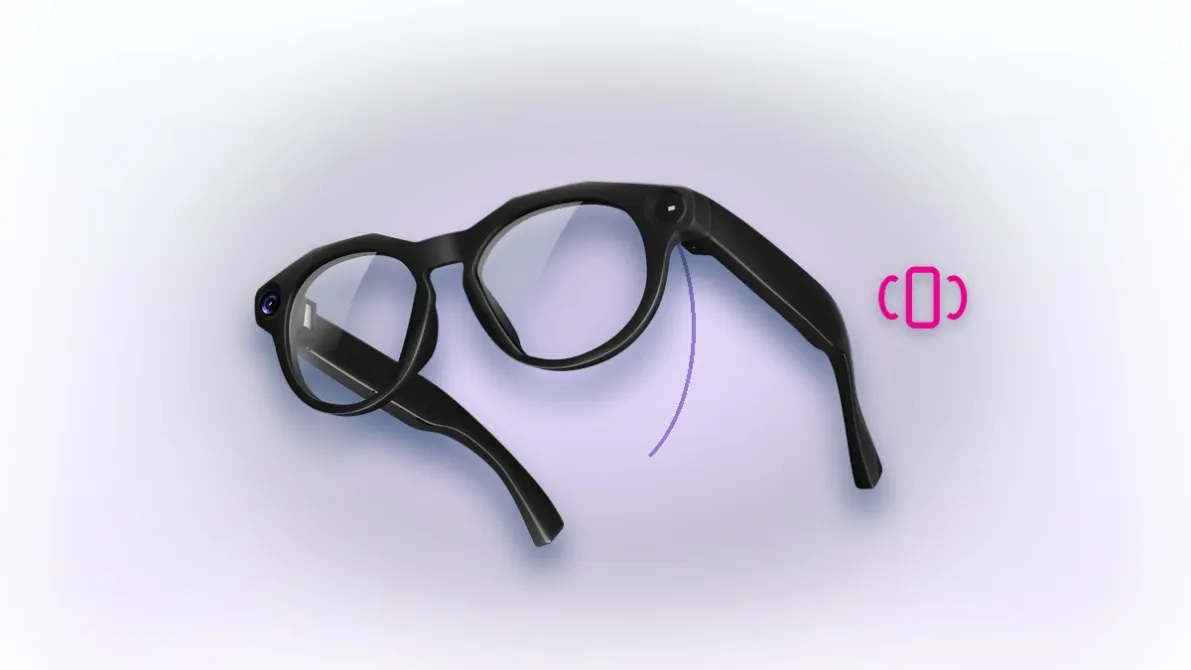
How Smart Glasses Sync to Your Phone: Bluetooth, WiFi and App Ecosystems
Smart glasses sync to your phone via BLE, WiFi or dual-band — understanding the connectivity stack helps buyers choose the right model for their use case.
Smart glasses sync to your phone via BLE, WiFi or dual-band — understanding the connectivity stack helps buyers choose the right model for their use case.
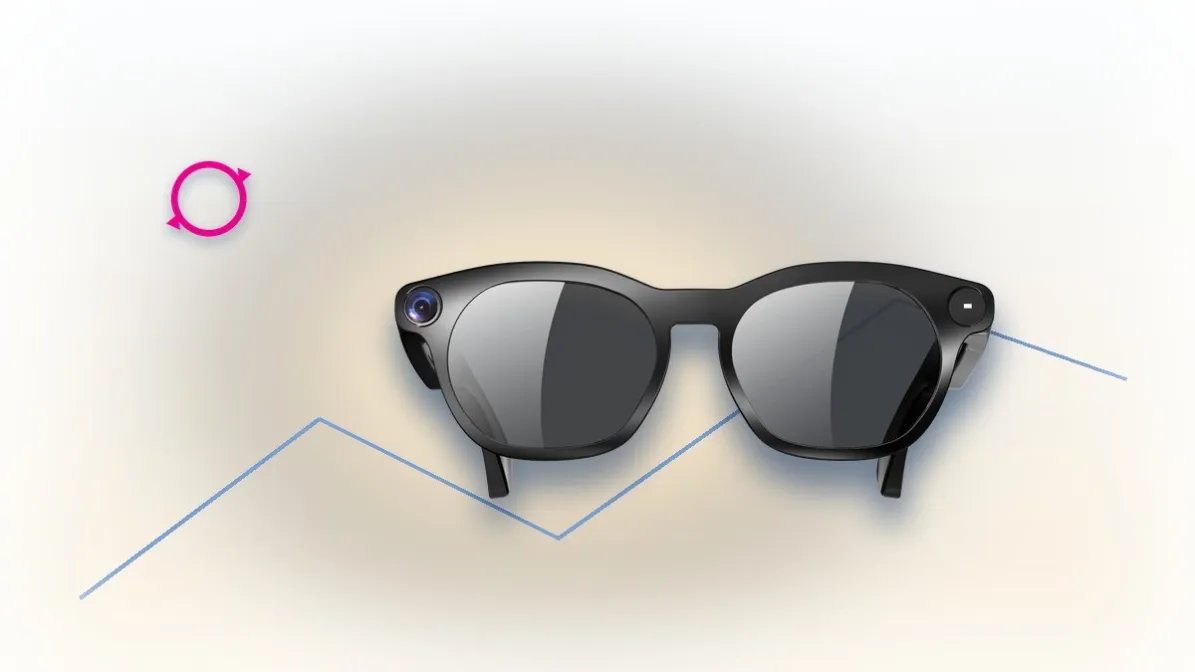
Camera glasses for cycling and outdoor sports: hands-free recording, open-ear audio, AI navigation and the IP rating that keeps them on the trail.
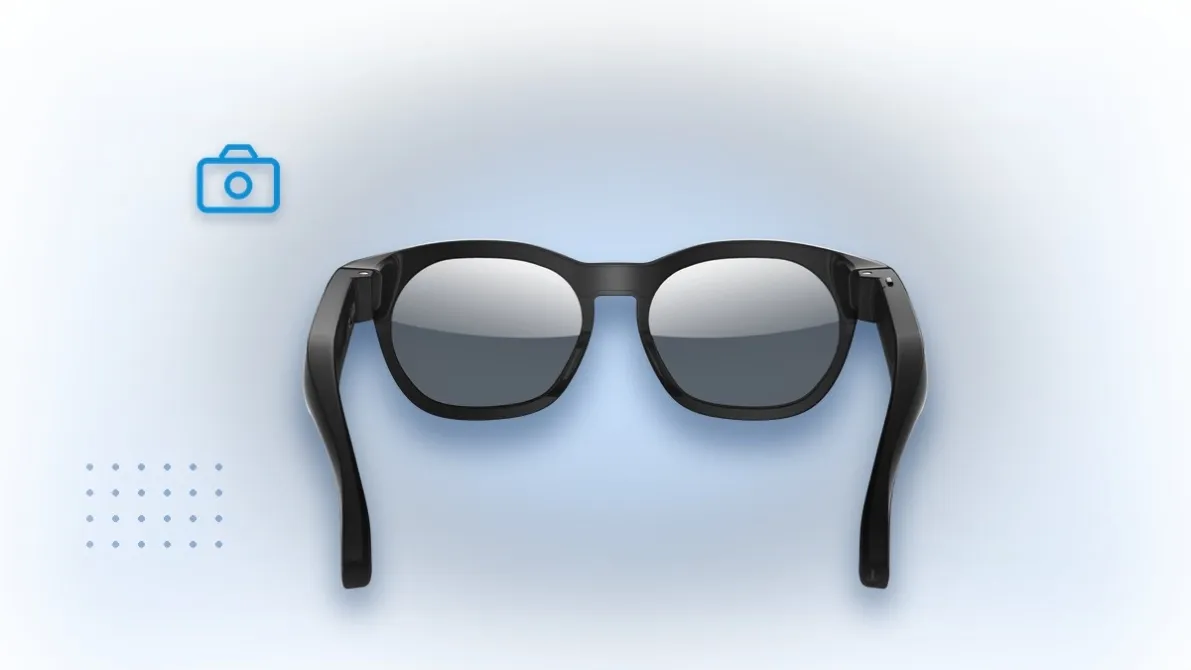
AI smart glasses with built-in cameras capture photos, video and live streams hands-free — here are the features, use cases and privacy points buyers should know.
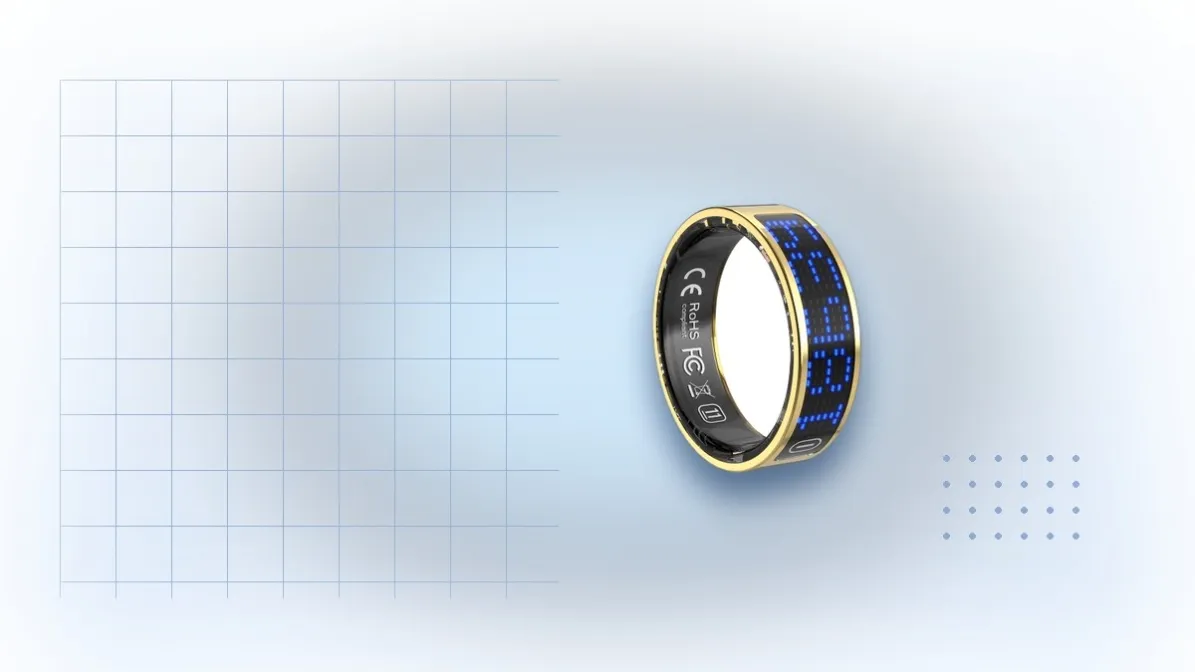
Launch a branded smart ring: proven platform, sensor set, material options, sizing kits, MOQ from 100 pcs and a validation path from CAD to mass production.
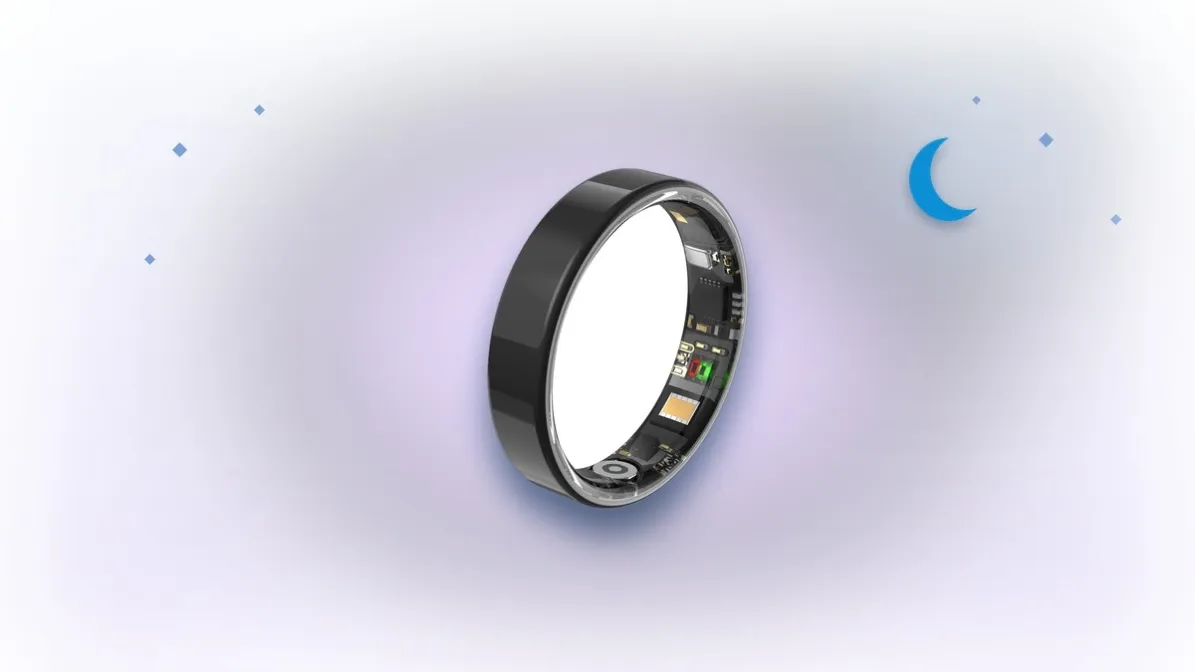
Finger arteries are closer to the skin surface than wrist arteries — smart rings produce cleaner PPG signals and more accurate sleep staging than wrist devices.
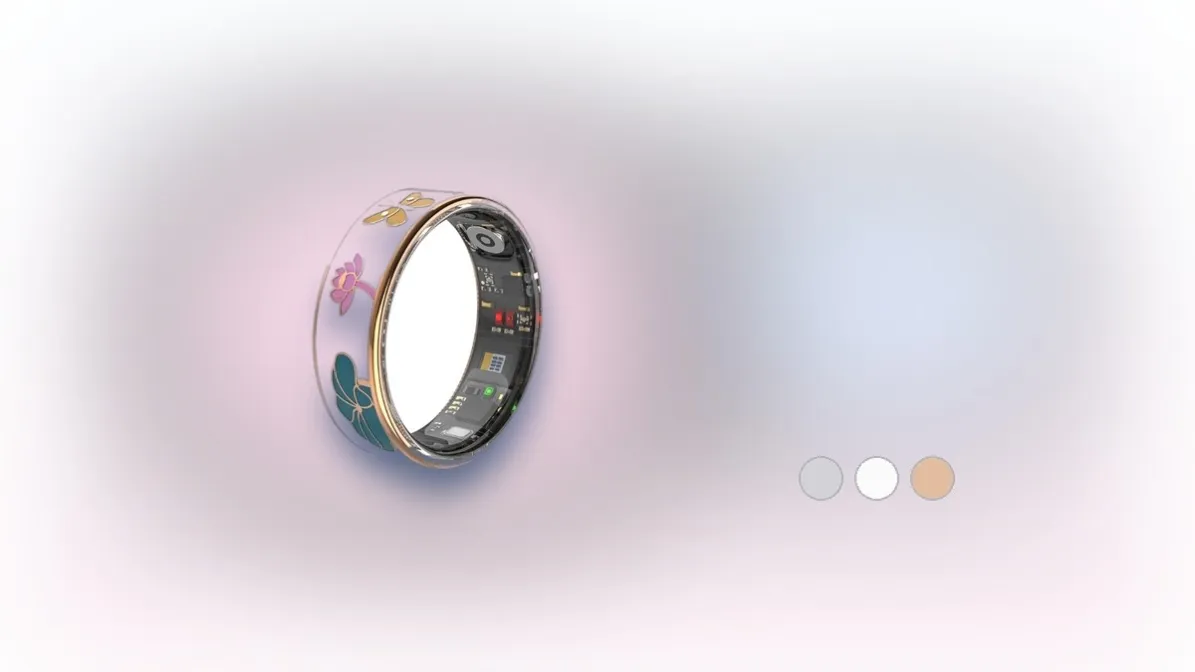
Titanium, ceramic and epoxy-coated smart rings each have different weight, durability and skin-feel properties — a material comparison for OEM buyers.
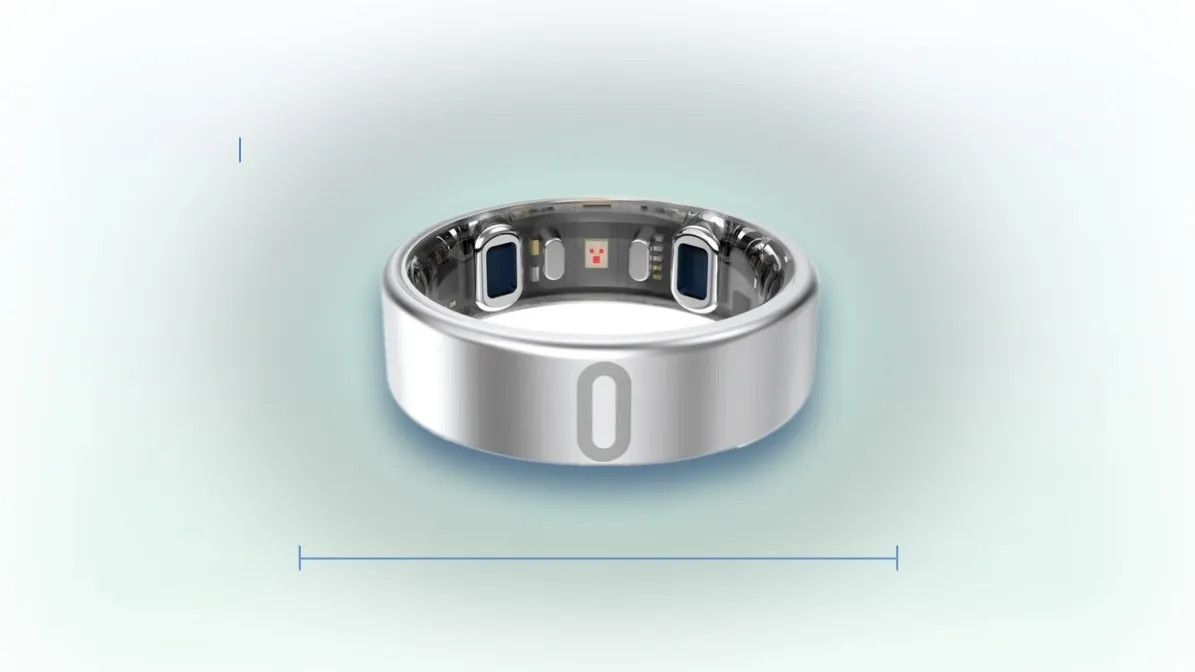
Sensor accuracy depends on a snug fit — learn how smart ring sizing works, why it matters for health data, and how to find your size before ordering.
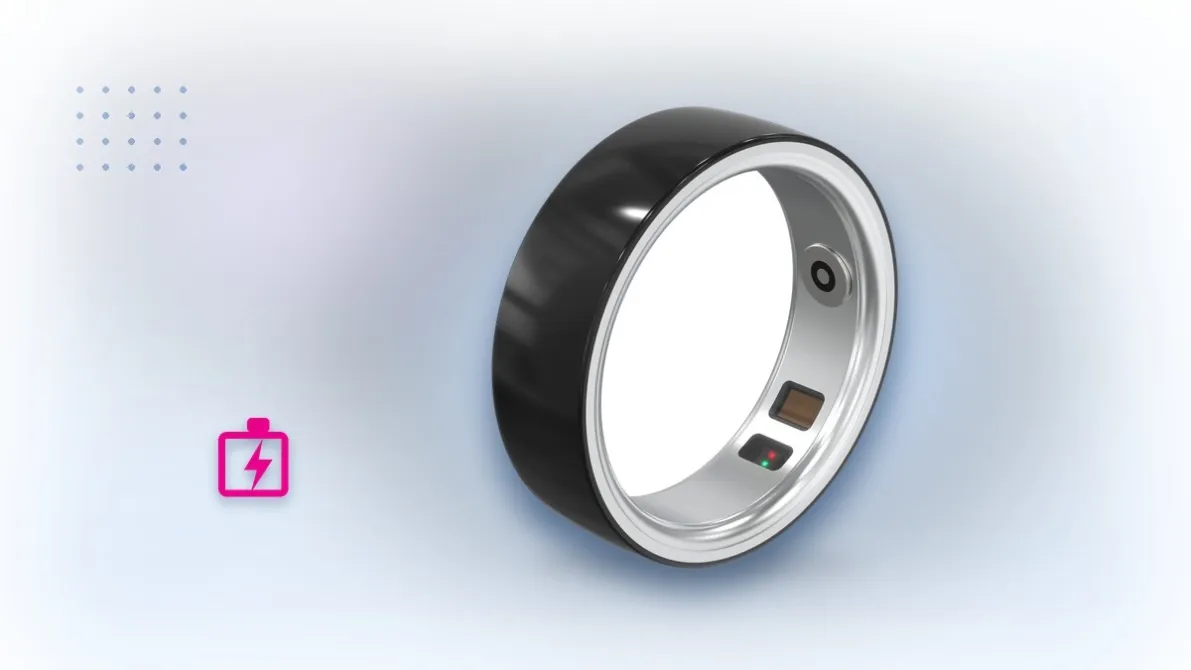
Smart rings run 5–7 days on a tiny cell — here is how the battery works, what drains it, and how the math compares to bands and smartwatches.
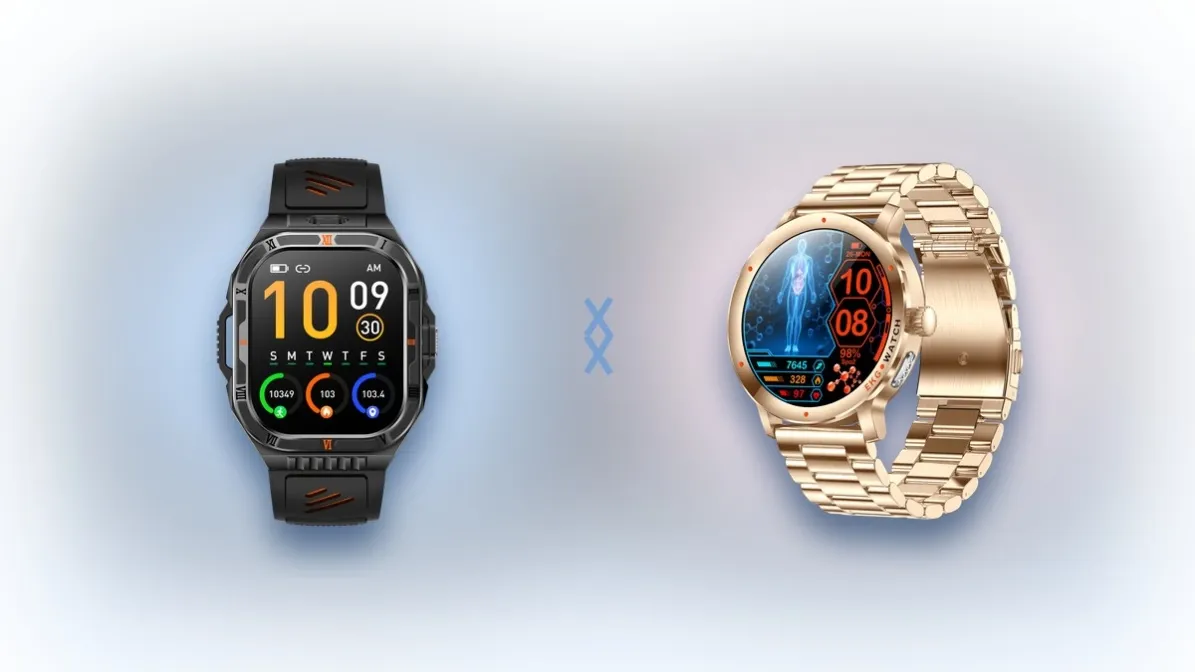
Compare AMOLED and LCD smartwatch displays on readability, power behavior, and program fit to set a display direction before your next quote round.
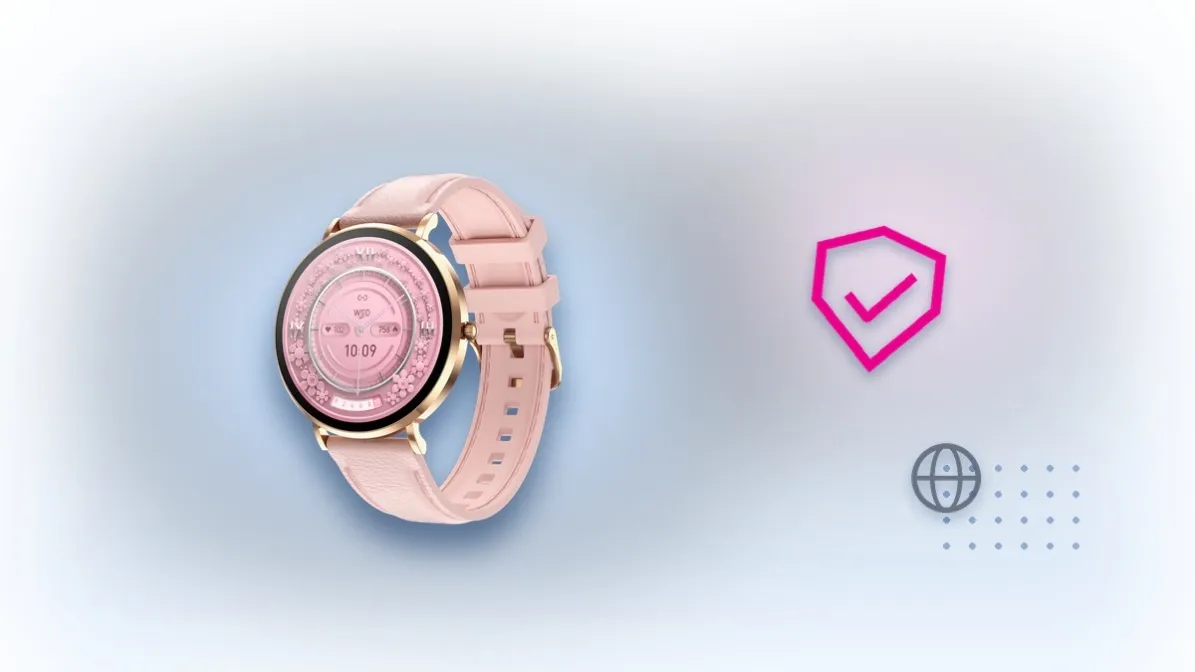
Build a certification question list for your smartwatch launch and verify scope with a qualified adviser before finalizing US or EU market entry.